Of Earth & Vine
Scientific Illustration | Megan Wittenberg
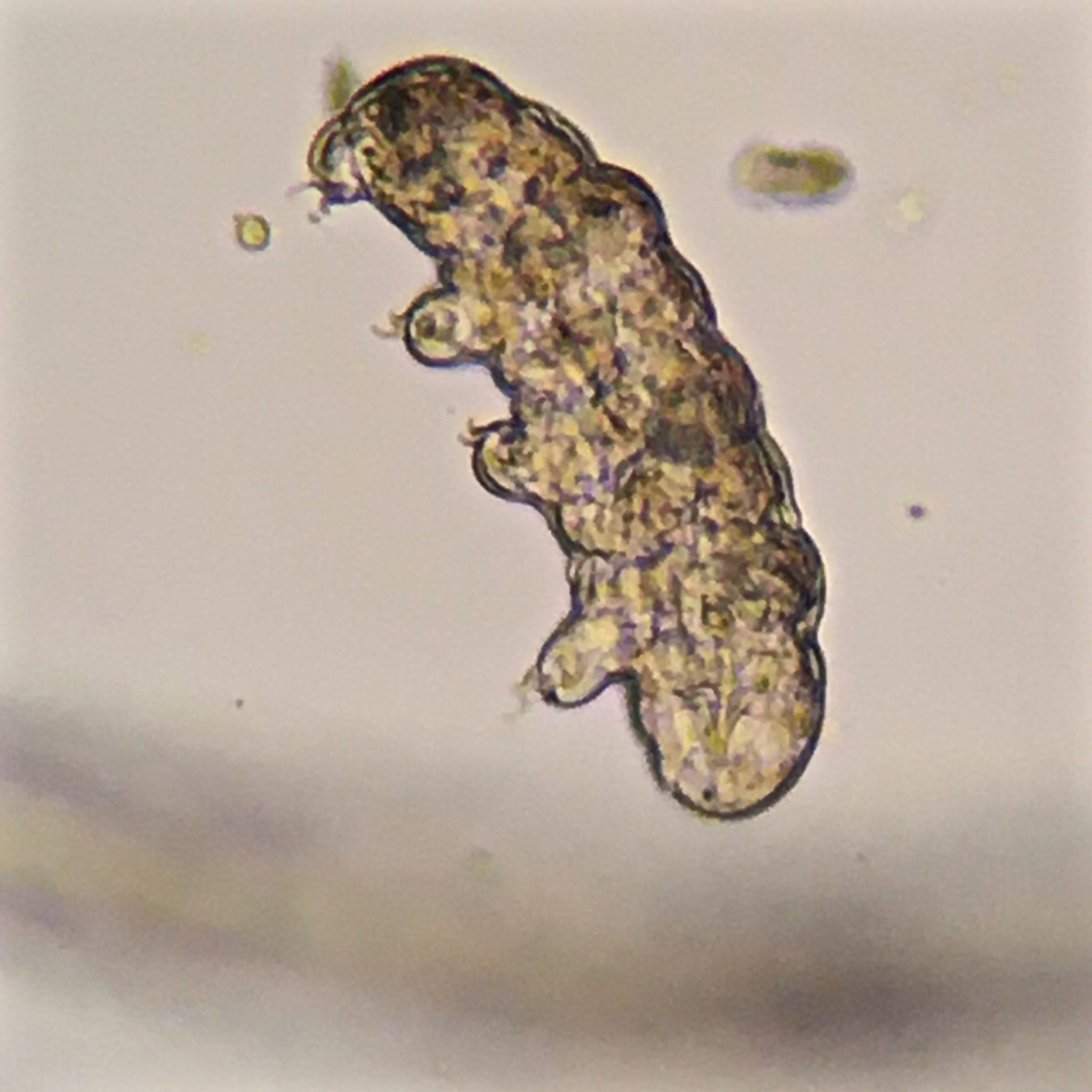
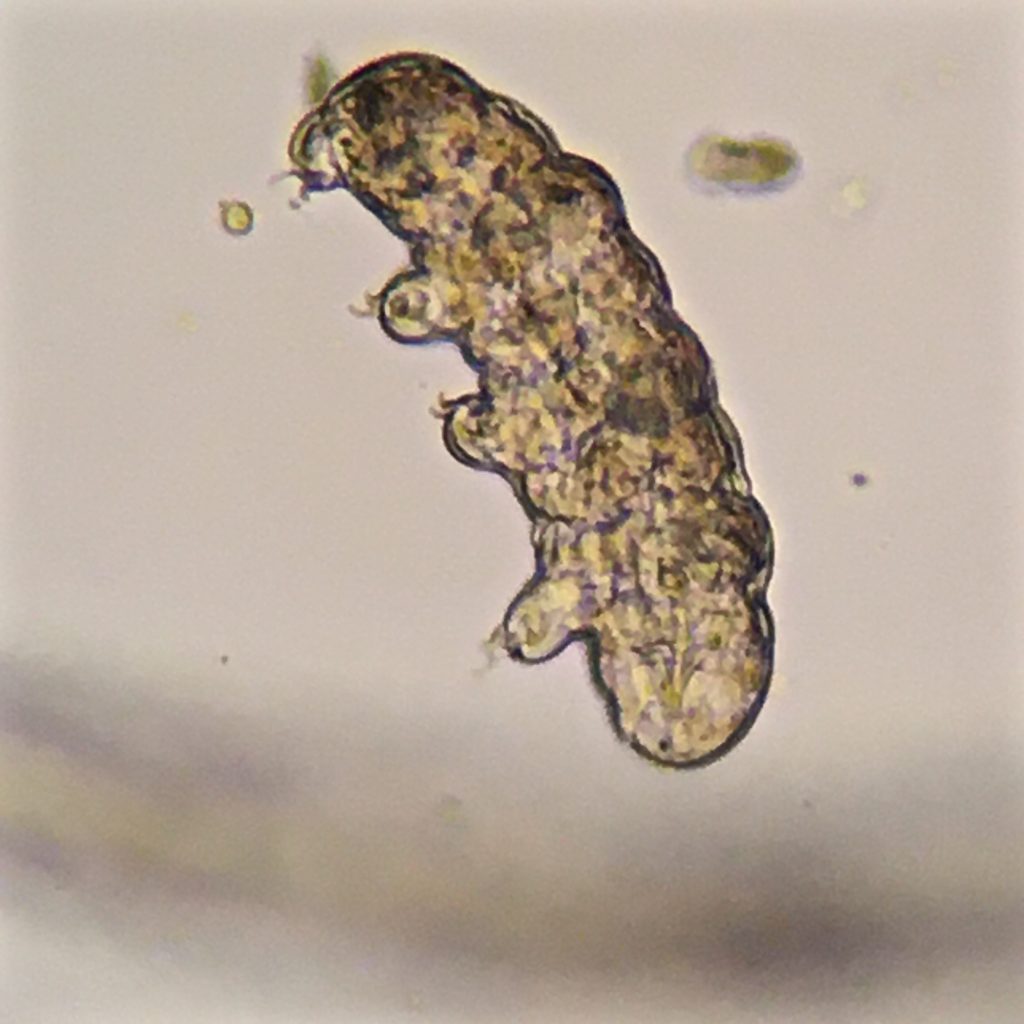
I found a real live tardigrade in moss from trees in my neighborhood!
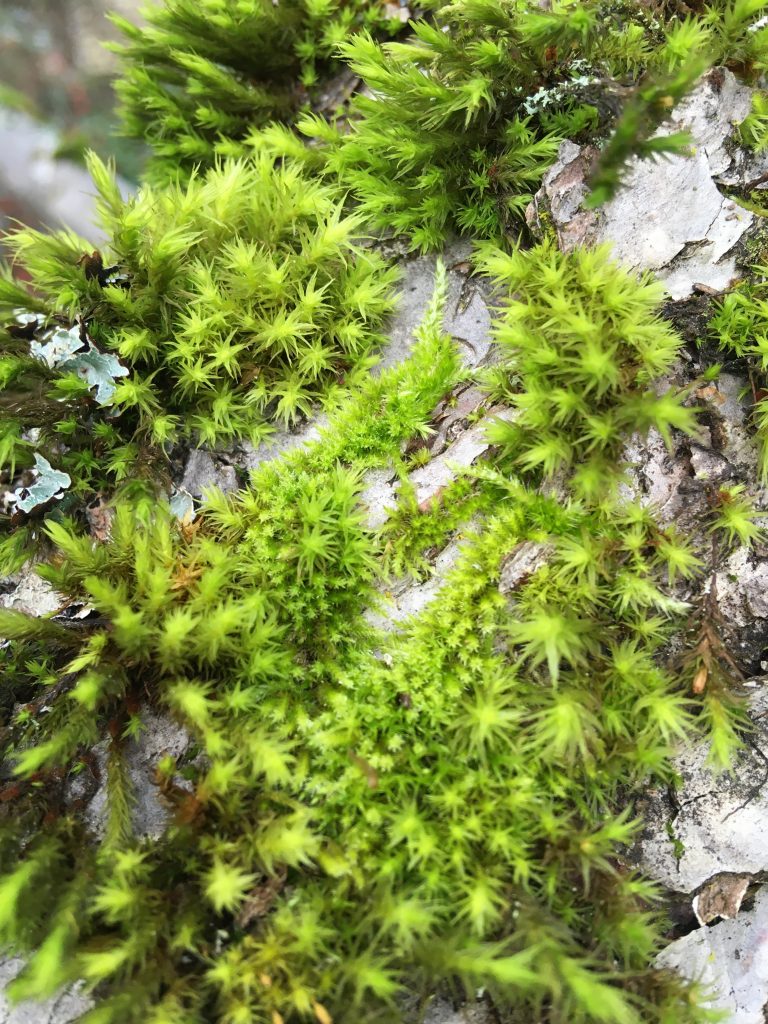
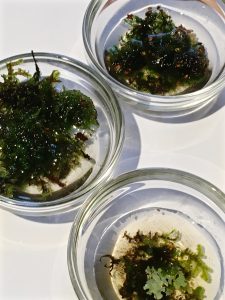
On my quest, I chose moss from three trees while I was walking my dog. All were growing on the parking strip on my street within seven blocks of my house in Seattle WA. I scraped up about a quarter size amount, making sure to get dirt.
I put each one in a small bowl with water (I used tap water but I let it sit out overnight so the chlorine would dissipate) and let them sit for a day. This gives them time to wake up, rehydrate, warm-up, what ever they might need to do.
The top bowl had the most living, moving, things in it as well as the tardigrade that I got the best footage of.
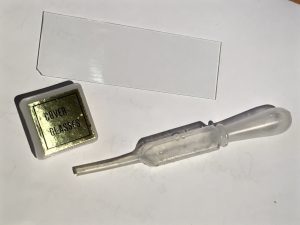
I used a pipette to put some of the water from the bottom of the bowl onto a slide and then put a glass cover on it. And I attached my phone to the eyepiece of the microscope. Most these photos were taken at 200x magnification.
The middle bowl had lots of tardigrades but they were not moving. I do not know if they were dead or what since they are well known for their extreme hibernation called cryptobiosis. [I just read that they have a few kinds of extreme hibernation, this one is probably anoxybiosis which is when they have an oxygen deficit and they swell up and float around until it’s habitat dries out] I got some good details from them because they couldn’t move. Poor little critters.


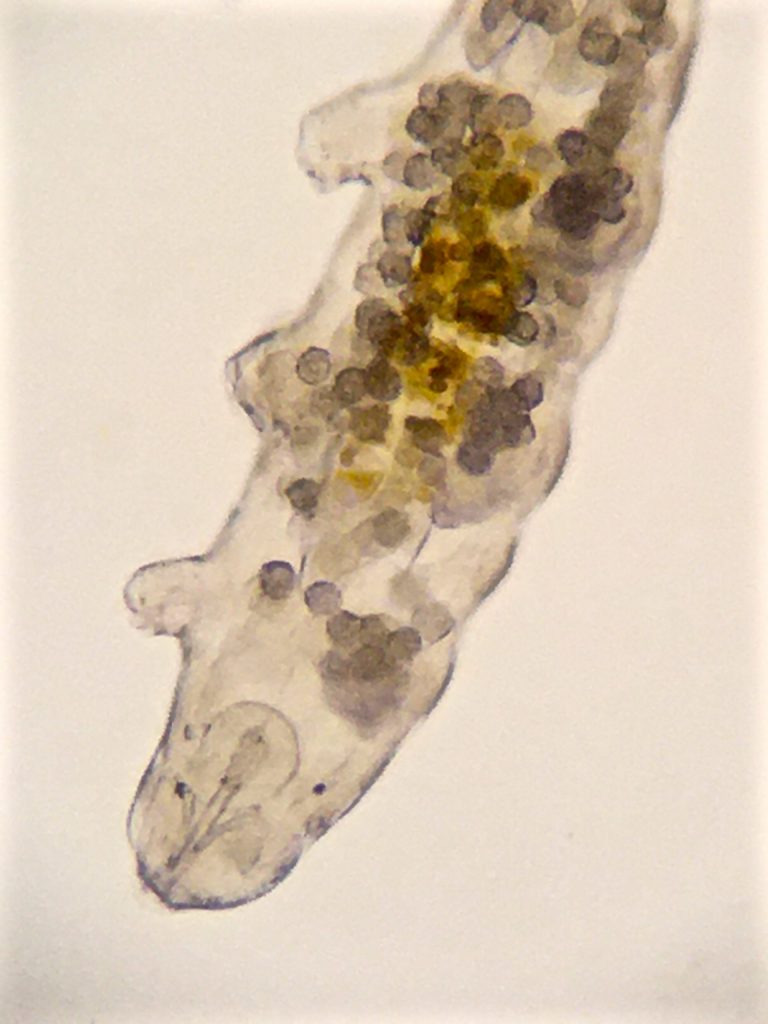
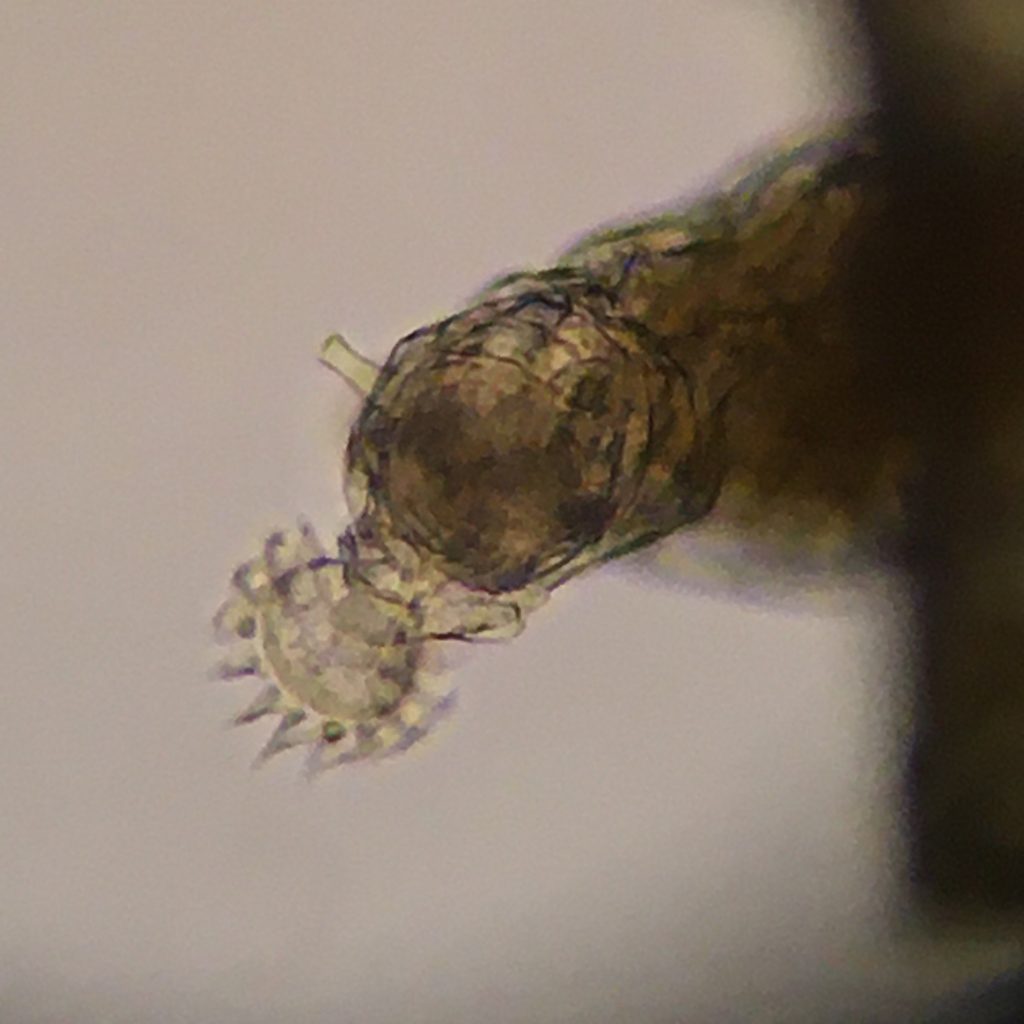
In this slide I also found other interesting things including this rotifer that I thought was a tardigrade at first because it moved across the slide and was kind of the same size and shape. It moved more like an inch worm with it’s cement secreting foot and it had a rotor thing on it’s head (a wildly waving cilia crown) and something beating in it’s middle which turns out to be a mastax that chews it’s food. They live in moss and all sorts of wet environments including the thin films of water that are formed around soil particles!



All images and content © 1998-2019 Megan Ernst Wittenberg